‘Time to rethink our relationship with the natural world’
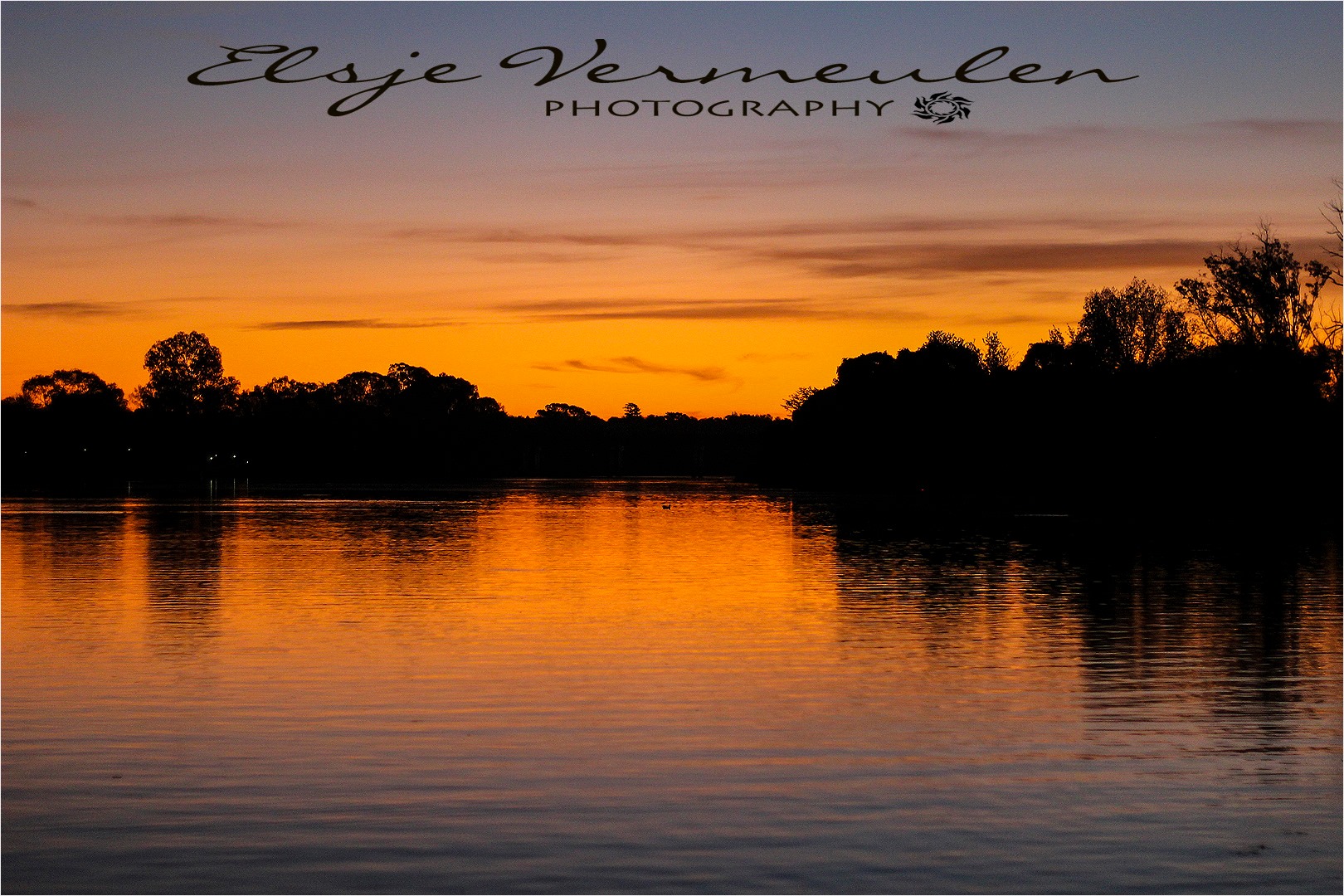
VANDERBIJLPARK. - Whilst spending days relaxing at home at the time of the countrywide Covid-19 shutdown, we have the rare opportunity to become aware of nature returning to Emfuleni’s suburbs. What I miss most, is the chance to gaze out over the Vaal River. If only it was possible to see close-by what the mighty river’s water is like….
Recently, I read an article by a group of researchers reporting on a water study they conducted in Canada. They collaborated with North American people (indigenous people), members of modern urban communities and the water sector management at the helm of governing modern urban water supplies.
The researchers realised how essential it was to explore water as reality. For them it was all about living water and our need to recognise water’s existence. There may be differences between natural water, treated potable water and wastewater, sea water, fresh water and even the masses of water stored up in clouds. But water is always the same – very much alive and changing.
Scientists claim there is evidence of an ontology that speaks to the nature of being water. Although water can be subdivided into many ‘human’ categories, there remains a clear singularity of water – irrespective of the form it presents itself in.
The researchers found that indigenous people experienced water differently from urban consumers. Indigenous people were aware of the original places where the water came from. Urban water users merely understood that they had water supplies to consume – at a cost of course.
Water governance officials, on the other hand, worked on planning, predicting and managing water. For them water, in all its forms, had to be useful and effectively managed.
Indigenous communities were disgruntled when their water resources, from streams, fountains and lakes, ran out as a result of external appropriation. The absence of natural living water threatened the indigenous realm of human lives.
Modern urbanites agreed it was ‘all right’ for them – as long as they had tap and wastewater services.
Ontologically, the researchers identified three groups – each with different views on water. The researchers then reasoned, if water were to be appraised as living water, the real ‘rights’, of all water had to be taken into consideration.
Recently South African water management experts, reported that we annually consume 103% of our available water supplies. Moreover the 20% water that legally should always remain in water streams at all times (the ecological reserve) is now compromised. The reason? Society and government have chosen to cast a blind eye on the reserve, because of the recent drought.
Thinking about the Vaal River as a living stream, one wonders: is the river talking back to us? Indigenous people have a close spiritual engagement with water. Urban consumers are placid. For them water simply ‘must’ just be sufficient and ‘clean’.
Water managers operate in a paradigm of authority, without any concerns about water’s right to life. The closest they come to living water, as a rule, is to check quality and quantities.
As society we only become aware water as life force in times of disasters, like drought and flood event. Water, in fact, is life.
In a time of climate change, it necessary to be circumspect and recognise living water. Western South Africa is becoming hotter and drier. In future, the rainfall not always fall in the catchments where we have our current water storage facilities.
It is predicted that the world will never be the same after the Covid-19 pandemic.
Since the early 2000s David Quammen, an expert on epidemics, has been warning global society of corona-like pandemics. He argues humans to rethink our relationship with the natural world. We need to become less consumptive, less intrusive and less disruptive.
Nature is now talking to us. Along the Vaal River, we now need to ontologically and respectfully re-think our engagement with living water.
- Johann Tempelhoff is an extraordinary professor at North-West University in Vanderbijlpark.