
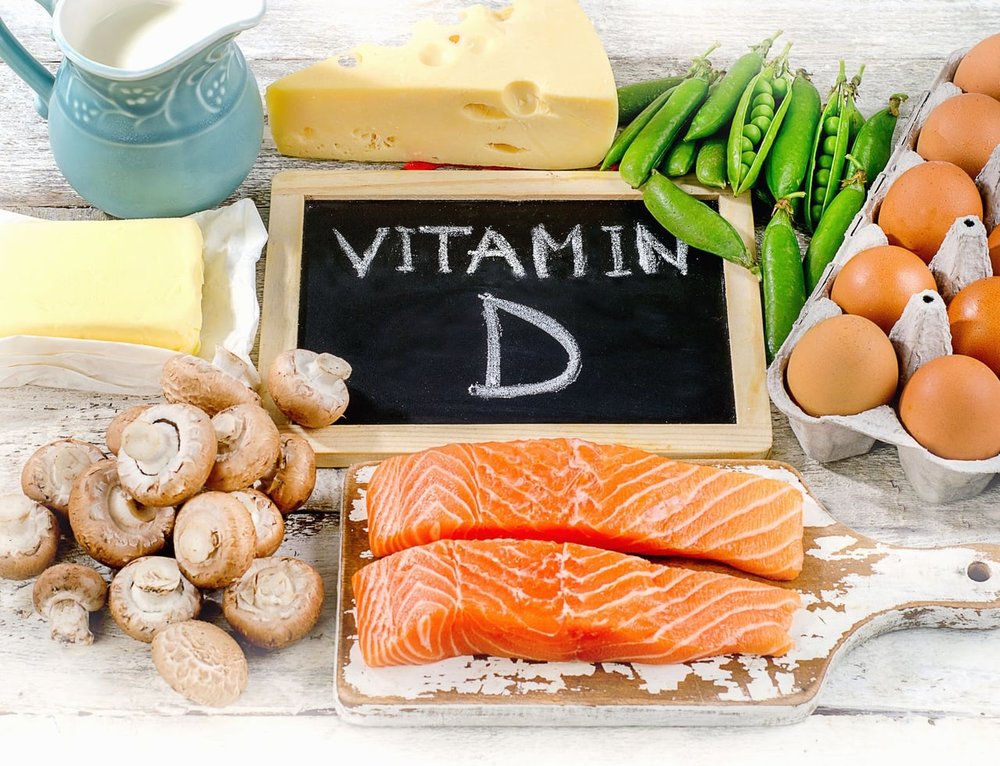
Vitamin D is known as the sunshine vitamin because it is produced in the skin by exposing the body to just 10-15 minutes per day of sunshine. Earlier this month, TILDA published a report which suggested that the vitamin plays an essential role in preventing respiratory infections, reducing antibiotic use, and boosting the immune system’s response to infections.
According to these latest TILDA findings, there are major discrepancies in mortality rates related to vitamin D levels at different latitudes worldwide. Countries in the southern hemisphere, such as Australia, are recording relatively low COVID-related mortality, which the TILDA researchers state can no longer feasibly be related to the later appearance and spread of the virus.
They have pointed to the high prevalence of vitamin D deficiency in northern hemisphere countries, and the possible role of the vitamin in suppressing severe inflammatory responses seen in patients seriously ill with COVID-19.
The researchers explained that vitamin D deficiency correlates with poor sunlight exposure, increasing age, high blood pressure, diabetes, obesity and ethnicity. These are all features associated with an increased risk of severe COVID-19.
According to Prof Rose Anne Kenny principal investigator of TILDA, vitamin D benefits bone health, muscle health and the immune system, “in addition to a potentially critical role in suppression of the severe pro-inflammatory response which characterises severe COVID-19 complications”.
As a result of their findings, the researchers are recommending that all nursing home residents in Ireland take Vitamin D.
Dr Eamon Laird of TILDA reminded people that vitamin D is present in foods such as oily fish (salmon, tuna, sardines), cheese, egg yolks and beef liver. “However, supplementation is the best means of ensuring sufficient vitamin D blood levels. As the effects of coronavirus continue, many of us are limited in the time we can spend outdoors, so extra care is required to keep vitamin D levels healthy,” he said.
- The TILDA findings are published as an editorial in the current edition of the Journal of Alimentary Pharmacology and Therapeutics.