Peacehaven: A proud working class suburb project derailed
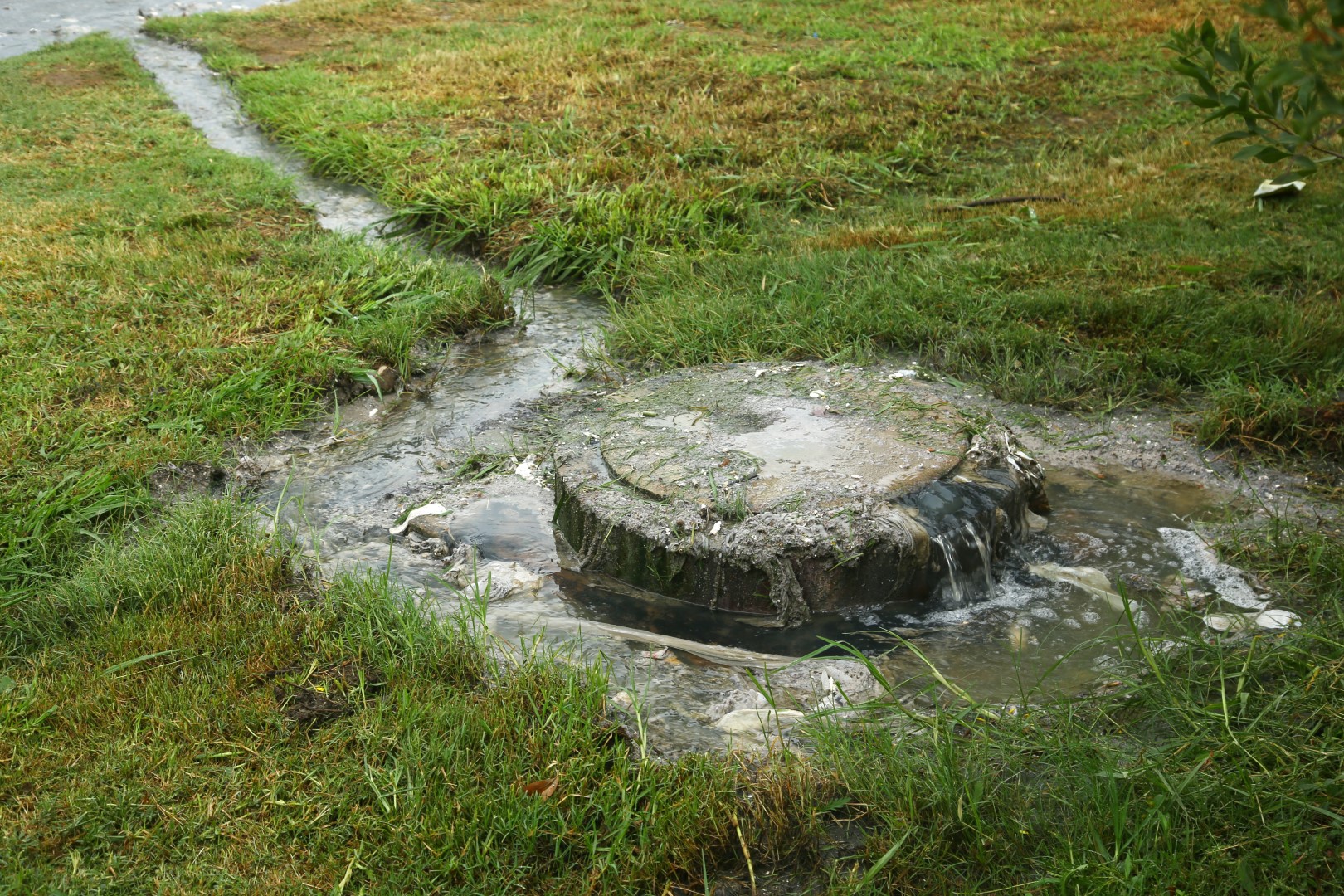
VEREENIGING. - In Peacehaven the environmental health of about 5 000 residents is currently compromised and local residents find themselves between a rock and a hard place. Peacehaven’s wastewater freely runs into the Vaal River, often conveying loads of uncollected municipal waste. Residents have to walk in on streets, on sidewalks and residential surfaces where raw sewage flows freely. It is the home of Vereeniging’s forgotten residents.
In 1939 Peacehaven was laid out on a piece of land that belonged to the Union Steel Corporation (USCO) a pioneer of South Africa’s steel industry since the 1910s. About 111 hectares of was set aside on the farm Klipplaatdrift, for 325 residential stands. The township was proclaimed on 4 March 1942 by the Transvaal Province Provincial Administration.
Peacehaven, was the first housing township to be developed by the Vereeniging Town Council. It was in close proximity to all industrial areas of central Vereeniging. Residents worked at the large production plants of Stewards & Lloyds, USCO and African Cables. The irony is that a good town planning scheme was allowed to fall by the wayside as a result of bad governance.
In line with the modernist town planning of the 1940s, the top part of Peacehaven was intended for white working class people, while management and more wealthy residents and community leaders resided in close proximity to the local golf club on the other side of Golf Road. A local attorney, FW de Klerk, who later became president of South Africa, had his offices in Vereeniging and lived on Golf Road. He was a passionate golfer.
South Africa’s political transition to a non-racial society in 1994 paved the way for Peacehaven’s transformation to the New South Africa. A key event was the incorporation of the local USCO works’ incorporation into Iscor. The latter was then sold off to the multinational company, Arcelor Mittal.
At the time non-governmental organisations (NGOs) took ArcelorMittal to task for its legacy of wastewater pollution at the Vanderbijlpark Works of the former Iscor. Arcelor Mittal also started reducing local operations. There were many job layoffs since the 1990s.
Peacehaven’s former stable working class residents then sought employment elsewhere. They sold their properties, or moved away from rented homes. Many black South Africans saw Peacehaven as a potential place of residence. They could secure a home of their own at a reasonable price and be close to their jobs in Vereeniging.
As Emfuleni’s municipal government started falling into a state of dysfunctional, bylaws were ignored, or officials bribed, to cast a blind eye. Nice sturdy homes were turned into sub-divided rooms and rented out. Peacehaven’s population increased. The demand for local water, sanitation and electricity services placed severe stress on local infrastructure.
Today about 10% of Peacehaven’s residents are whites. They have good relations with their black neighbours. Collectively, they are at one on the poor municipal service delivery. On racial matters each group’s views are respected.
Crime is low. Apart from pilfering, there is no serious theft. A single problem remains local drug trafficking. It attracts buyers from outside who rely on Peacehaven’s dealers. Meanwhile. Peacehaven remains a cesspit of raw sewage and a community at loggerheads with Emfuleni.
Rumours have it that the municipality considers Peacehaven as a ‘minor priority’ Local residents are said to ‘disobey all authority’. One Emfuleni DA councillor said, the municipality would never take that stance. The DA may be victimised by the ruling ANC, but local government would always respect residents. Emfuleni, still being under administration, simply cannot afford to do regular waste removals in Peacehaven.
Instead, waste now flows with sewage to dysfunctional ponds near pump stations and clutter the wastewater destined for the Leeuwkuil treatment works near Sharpeville.
Despite interventions by the South African National Defence Force (2018-19) and ERWAT (2019 – June 2020), Peacehaven’s wastewater still feeds directly into the Vaal River Barrage, via the Klip River and the natural local streams on the property of the local golf course on the banks of the Vaal.
Local activists say Peacehaven’s dilemma is the result of bad municipal governance and unfinished upgrade contracts for the Leeuwkuil wastewater treatment system.
The SANDF and ERWAT had not been contracted by the Department of Water and Sanitation to lay a key new pipeline system between pump stations 2 and 10. It is intended to bring relief to Peacehaven’s local wastewater infrastructure.
At present public environmental health is a priority of government. Peacehaven’s residents have the right to clean water and a healthy environment.
- The author is extraordinary professor at North-West University’s Vanderbijlpark Campus.